
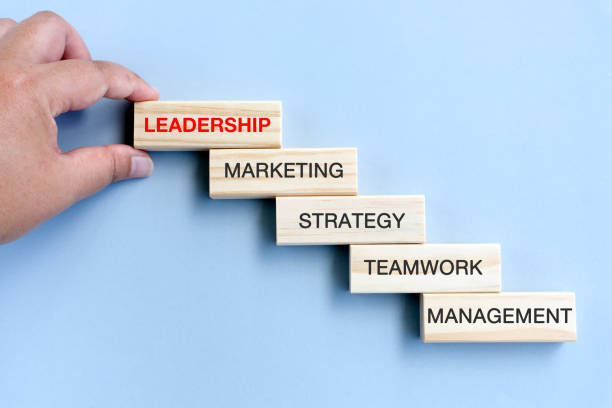


Effective managers know how to keep teams excited, efficient, and focused on the business goals. However, good leadership is not self-made. It learns with experience and improves regularly. When implemented well, a leadership development strategy ensures managers are delivered services in such a way that they build the confidence and experience to lead effectively.
Leaders who are invested in growing their leadership skills typically lead to stronger teams in the longer term.
Why Leadership Development Matters?
Managers affect workplace atmosphere, they shape how employees perform, and have an important impact on your business success. An organization can only reap their benefits by improving the way leaders communicate, make decisions, and solve problems.
With a structured leadership development way, you will prepare the future leaders for growing with the company in greater responsibilities.
Essential Skills Every Manager Needs
Effective leaders hold not just technical knowledge, but also interpersonal skills.
Key areas of leadership development:
- Clear communication
- Strategic thinking
- Conflict resolution
- Team motivation
- Time management
Enhancing these skills enables managers to be more confident and consistent in how they direct employees.
Learning Through Practical Experience
Training gives you the skills but only practice with those skills in real day to day situations will give you the leadership abilities. Your skills which are used to lead projects, mentor colleagues, and solve workplace problems give you an opportunity to grow your leadership potential.
Most organizations are investing in structured leadership development programs for managers using a hybrid model of classroom learning coupled with practical assignments. The proficiencies gained through a cross-functional lens, limits in forced value exchange become less relevant, and managers are trained with real scenarios that the business faces.
Building a Culture of Continuous Development
Leadership is not a box ticked. As business needs evolve, and so do employee expectations from the workforce, on-demand learning prepares managers to create a better work culture.
Companies can encourage leadership development through:
Regular Feedback
Feedback, in its constructive form, tells managers what they are doing well and what areas exist for improvement.
Mentoring Opportunities
Experienced leaders can assist new managers with actionable advice and stories from their career.
Professional Training
The workshops and coaching sessions that accompany it keep leaders updated with good management practices.
Such efforts help to build more effective leaders across all ranks.
Long-Term Benefits for Businesses
Many companies that invest in structured leadership development are more likely to see an increase in employee engagement, collaboration, and retention. Good leaders make easy spaces where people feel supported.
Final Thoughts
Leadership development goes beyond developing people and allows the organization to transform into a developmental space. Managers learn more about communication, decision-making, and leadership as they engage in lifelong learning.
Therefore, organizations arm up their leadership teams with the necessary skills that would prepare them for upcoming challenges, and patients around developing organizational culture through growth focused learning programs. It implies leaders may take structured development programs but only if they have improvement in growth, collaborative and sustainable success at the end of their goals.