
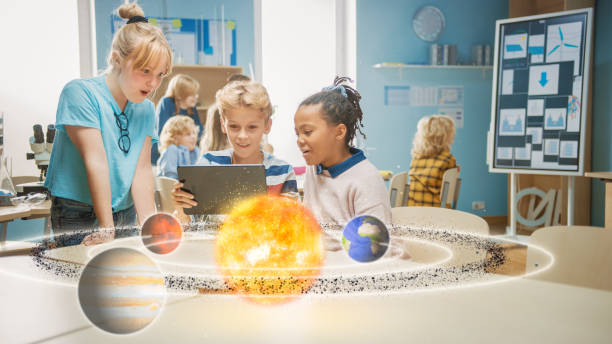


Students listen in class but they learn much more than that. Immersive learning is an active style of experience that awakens curiosity, solves problems and encourages the application of knowledge. This method makes education interactive, allowing students to develop confidence along with comprehension, and retention in the long term.
It is widely adopted by schools, colleges, as well as training organizations to extend the learning experience.
What Makes Immersive Learning Different?
Traditional teaching is done in the form of classroom lectures, and reading textbooks. This approach is the polar opposite of immersive learning, where learners are put into real world circumstances so they can execute new skills.
This may comprise collaborative workspace, simulation, role play, experiential practice, virtual space/group projects or experimental exercises. These experiences promote participation rather than passive observation.
Benefits for Students
The lessons that you experience directly are the ones you will remember better than just covering them on paper.
Below are some advantages of immersive learning:
- Better knowledge retention
- Stronger problem-solving skills
- Increased confidence
- Improved teamwork
- Greater classroom participation
So, these advantages help the learners to be prepared for both their studies and work place.
Building Better Learning Experiences
It is the educators to provide relevant activities to promote participation and critical thinking.
Teachers should utilize real life experiences where students need to think critically, collaborate with others, and apply skills in practical situations when creating dynamic immersive learning environments for students. Exercises must allow students to satisfy their curiosity, which enables them to learn from successes, as well as mistakes.
This approach hones skills beyond textbooks for students.
Technology Supports Modern Learning
If technology has transformed anything, it has expanded the scope of immersive learning. So, students can do virtual reality, augmented reality, interactive software, and so on to face certain situations that will probably not happen in a real classroom.
They also make classroom activities more interactive and fun, while allowing students to practice in safe environments.
Preparing Students for the Future
Education is supposed to prepare learners for real world challenges. Through interactive learning experiences, students learn adaptability, communication skills, and confidence in an unfamiliar environment.
Schools that build immersive learning spaces dynamic enough to support student choice, collaboration, creativity, and independent thinking offer the same experiences used by many higher education settings and workplaces.
Final Thoughts
Immersive learning doesn’t just teach students to memorize facts; it shows them how to use what they learn. Real-life application is the foundation for analytical thinking, collaboration, and problem-solving.
These can entice educators to create immersive learning that is both engaging and interactive for students, pique their curiosity, improve student learning outcomes, as well as prepare them with skills necessary later on in life when they leave school.