


Key Takeaways
- Historical significance and superior craftsmanship are crucial in determining the value of a chess set. Investing in sets with a proven track record or crafted by renowned artisans often ensures both financial and sentimental value.
- Proper preservation strategies are necessary to maintain a collection’s condition and value. Attention to detail when caring for materials like wood, ivory, or other delicate substances can make the difference in a set’s longevity.
- Active participation in collector communities fosters knowledge and discovery within the world of chess collecting. Sharing insights and experiences with fellow collectors enhances both personal expertise and collective appreciation.
Collecting chess sets is a fascinating pursuit that draws people into a world that blends history, artistry, and personal passion. Each piece, whether simple or ornate, tells a story, one connecting to the past and the hands that crafted it. The art of collection goes beyond simply owning objects; it is about curating stories and preserving culture through tangible examples of craftsmanship. For those interested in starting or expanding a collection, exploring diverse traditional chess sets is a gateway to understanding the periods, artistic movements, and cultural identities that have shaped the game we know today. Whether acquired from a renowned gallery, a local artisan, or passed down through generations, each set represents a unique chapter in the history of this timeless pursuit.
A thoughtful and well-curated chess set collection is more than a mere accumulation of items. It is an invitation to travel through centuries, cultures, and styles, giving the collector a unique lens into the world’s different artistic and historical epochs. Collectors who delve deeply into this realm find themselves learning about artistic techniques, historical events, social changes, and even shifts in material availability as these aspects are often reflected in the chess sets of their respective eras. This guide explores how to appreciate, preserve, and display a chess collection, transforming it into both a personal treasure and an enduring legacy that can be shared with friends, family, and future generations.
Understanding the Value of Historical Chess Sets
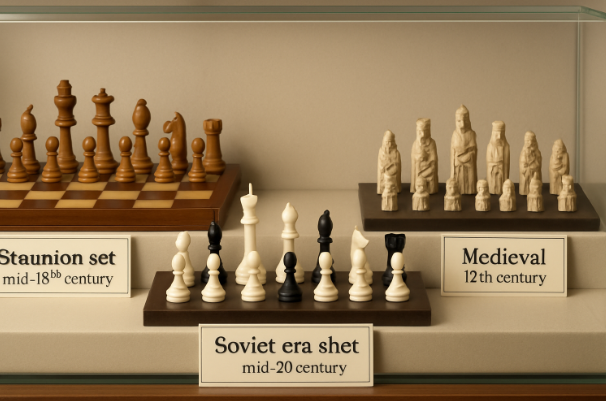
The charm of historical chess sets transcends their function as game pieces. Iconic sets like the medieval Lewis Chessmen, unearthed on the Isle of Lewis in Scotland, are celebrated not only for their fine detail but for the cultural window they provide into medieval society and artistry. Across centuries, chess has mirrored the social and political climate of its era, resulting in a breathtaking diversity of artistic styles, materials, and techniques. Whether a set hails from the opulent courts of Renaissance Italy or the precise workshops of Victorian England, it carries distinctive marks of its origin. For collectors, understanding provenance, which traces a set’s past ownership and historical origins, and craftsmanship, which speaks to the skill and methods used, is vital. These factors help inform decisions about new acquisitions and can illuminate hidden stories within even the humblest of pieces. Over time, some sets appreciate due to rarity, unique materials, or their association with historical events or figures. If you’re interested in broader chess history, Smithsonian Magazine offers insights into how chess evolved, providing a backdrop for appreciating the lineage of chess sets worldwide.
Preserving and Displaying Your Collection
Proper care is essential to protect the value and appearance of chess sets, particularly those made from materials like wood, ivory, or bone, which are sensitive to environmental conditions. Humidity, temperature fluctuations, and exposure to light can degrade finishes, warp wooden pieces, or cause colors to fade over time. Carefully monitoring where your sets are displayed and keeping them in climate-controlled environments helps to avoid these pitfalls. Using UV-protected glass display cases provides another layer of protection while keeping your collection visible and accessible. Dust and grime can also accumulate, so regular cleaning with non-abrasive materials, preferably a soft, dry cloth, prevents buildup that might damage the intricate details of the pieces. Avoiding harsh chemicals is equally important, as they can irreparably damage delicate finishes or cause corrosion. Well-organized collections, arranged by theme, period, or maker, not only look attractive but invite interaction and conversation. Organizing and preserving chess sets transforms the collection from a static display into an interactive experience that can be enjoyed and shared with others.
Engaging with Collector Communities
Becoming part of a collector community, such as Chess Collectors International (CCI), opens up educational and networking opportunities that can greatly enrich your experience. These communities offer access to expert research, specialized publications, and international exhibitions dedicated specifically to the preservation, appreciation, and study of chess artifacts. Through regular events, online forums, and workshops, collectors can share expertise, compare notes on restoration or authentication methods, and discuss current market trends. Such connections can be invaluable for discovering hidden gems, learning about rare or unusual sets, and staying up to date on ethical collecting standards and best practices. For more information about staying engaged in the chess scene, The New York Times provides relevant updates on collector events and industry news, making it easier to stay connected with what’s happening around the world.
Identifying and Acquiring Valuable Sets
The chess market is influenced by factors such as scarcity, provenance, and the quality of materials used in production. Sets that have been produced in small quantities, are manually carved, or are associated with notable moments or figures in chess history generally carry greater appeal and value for both novice and experienced collectors. Marks from renowned artisans, certificates of authenticity, and sets crafted from precious or rare woods, metals, or stones often stand out in the marketplace. Likewise, sets that have belonged to famous individuals or have been used in internationally recognized tournaments are especially coveted and may command premium prices. Conducting thorough research into makers, materials, and the historical context of each piece greatly increases the likelihood of acquiring unique and desirable additions. Building connections with reputable dealers, attending auctions, and reading specialist publications are effective strategies for growing both your knowledge and your collection.
Ethical Considerations in Collecting
Today, ethical concerns have become central to responsible collecting. Materials like ivory, once prized for their smooth texture and striking appearance, are now heavily regulated or banned due to wildlife conservation laws and shifting societal values. Responsible collectors ensure that everything in their collection complies with current regulations and contemporary ethical sourcing standards. This may mean seeking out alternative materials, such as synthetic ivory or responsibly sourced woods, for new purchases. Whenever a piece includes restricted materials, requesting documented provenance is essential to confirm it was acquired before modern bans or from legal sources. Choosing sustainable or legally certified alternatives not only protects wildlife but also enhances the moral standing and future value of a collection.
Showcasing Your Collection
A chess set collection deserves to be displayed, not hidden away in storage where its beauty and significance are lost. Thoughtfully arranged shelves, custom cabinetry, or glass display cases allow the fine details and artistry of each set to be appreciated at a glance while protecting them from dust and accidental damage. Creating a dedicated display area, whether it’s a quiet corner of your study or a prominent spot in your living room, offers a focal point that can inspire admiration, curiosity, and lively conversation among guests. Grouping sets by historical period, artisan, or material not only provides visual interest but also helps viewers appreciate the variety and depth within your collection. Well-lit displays with gentle, indirect lighting highlight the craftsmanship without causing deterioration from exposure to harsh light.
Conclusion
Building a lasting chess set collection is a gratifying venture that deepens your connection to art, culture, and history. By valuing historical sets, employing careful preservation methods, engaging with passionate communities, and adhering to ethical standards, you can assemble a collection that will captivate and inspire for generations. Each chess set you add becomes an ambassador of its period and an heirloom to treasure, ensuring your personal legacy remains intertwined with the timeless legacy of the game itself.