


Table of Contents
- Regular Inspections and Preventive Maintenance
- Effective Drainage Systems
- Use of Recycled Materials
- Application of Sealcoating
- Timely Crack Sealing
- Proper Compaction Techniques
- Adoption of Innovative Technologies
- Conclusion
Asphalt surfaces demand consistent care to deliver long-term performance and safety. Whether for parking lots, driveways, or roads, proactive maintenance reduces costly repairs, conserves materials, and enhances durability. Homeowners and property managers seeking effective solutions can benefit from on-site paving estimates in Granger,IN, to evaluate their specific needs and plan timely interventions. This is not only an investment in property value but also a step toward eco-friendly infrastructure. Sustainable maintenance practices help maximize the service life of asphalt while supporting environmental goals. Incorporating recycled materials, improving drainage systems, and adopting innovative technologies form the foundation of a resilient asphalt network. Learning about these strategies can transform standard pavement care into a more sustainable and cost-effective endeavor.
In this article, you will find practical best practices that prioritize durability and environmental responsibility in asphalt maintenance. Early identification of issues, timely repairs, and protective measures are crucial for preventing rapid deterioration and extending the lifespan of asphalt surfaces. Adopting sustainable approaches not only benefits the pavement but also reduces material waste and environmental impact. Property owners, municipal managers, and contractors can all contribute to greener, longer-lasting infrastructure by staying informed and proactive about modern maintenance strategies.
Regular Inspections and Preventive Maintenance
Routine inspections lay the groundwork for successful, long-term asphalt maintenance. Frequent visual checks identify early-stage cracks, pooling water, or fading, which can indicate underlying concerns. Preventive measures such as microsurfacing and fog seal applications address minor imperfections before they worsen. The Federal Highway Administration notes that adopting preventive strategies not only extends pavement life but can also reduce life cycle costs by 30 percent or more.
Effective Drainage Systems
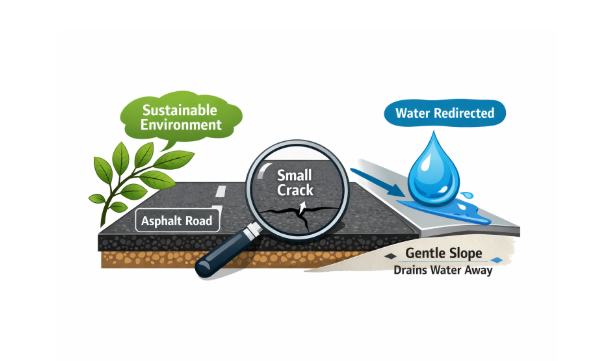
Water is one of asphalt pavements’ greatest adversaries. If drainage is inadequate, standing water can seep into the sub-base, weakening and deteriorating it. Installing proper drainage systems, such as sloped grading or permeable surfaces, ensures water flows away from the pavement, preventing erosion and freeze-thaw damage. Permeable paving options also encourage groundwater recharge and help manage stormwater runoff in urban areas. The Environmental Protection Agency highlights permeable pavement as an effective tool for sustainable water management.
Use of Recycled Materials
Using recycled content is an essential practice for sustainable asphalt maintenance. Materials such as reclaimed asphalt pavement (RAP), recycled concrete, and rubber from discarded tires are increasingly incorporated into new mixes. These components provide resilience, flexibility, and durability, resulting in surfaces that are less prone to cracking and raveling. According to the National Asphalt Pavement Association, nearly 95 percent of the asphalt pavement removed each year is reused in new roads, making it the most recycled product in America.
Application of Sealcoating
Sealcoating involves applying a thin protective layer over asphalt surfaces. This barrier shields the pavement from ultraviolet rays, water intrusion, and chemical spills. Sealcoating slows oxidation and wear, reducing the likelihood of cracks and potholes. Most experts recommend resealing every two to three years to maintain a flexible, waterproof surface that resists aging and remains visually appealing. Staying consistent with sealcoating extends the lifespan of asphalt and reduces future major repair expenses.
Timely Crack Sealing
When cracks appear, sealing them quickly is a top priority. Left untreated, cracks let water infiltrate and damage the base layers, leading to potholes and structural issues. Crack sealing uses specialized materials to fill and seal gaps, restoring pavement integrity. This preventive step is highly cost-effective, helping postpone more expensive surface repairs or replacements. Regular crack sealing not only protects physical infrastructure but also minimizes liability and safety risks for property owners.
Proper Compaction Techniques
Quality compaction during installation and repair is critical for a stable, high-performance asphalt surface. Uniform compaction reduces air pockets, increases load-bearing strength, and prevents rutting or shifting. Modern compaction equipment and spreader trucks ensure consistent, even layers and strong seams, which reduces premature failures at joints. Applying best practices with the right tools ensures a longer-lasting, more durable pavement that withstands demanding use in roadways, driveways, and parking lots.
Adoption of Innovative Technologies
Emerging technologies like warm-mix asphalt, graphene additives, and enhanced compaction control are reshaping the future of pavement care. Warm-mix asphalt allows for lower production temperatures, reducing emissions and energy use while maintaining a strong finished product. Graphene, a revolutionary carbon-based additive, is being tested in road construction to improve elasticity and longevity, showing strong promise in pilot projects worldwide. Staying up to date with these innovations ensures both performance and sustainability.
Conclusion
Durable, sustainable asphalt maintenance hinges on routine inspections, effective drainage, the incorporation of recycled materials, timely repairs, and the use of cutting-edge technologies. By following industry best practices and leveraging expert resources, property owners and managers can achieve long-lasting, environmentally sound results that protect their investment and reduce environmental impacts. These strategies collectively support safer, greener infrastructure for communities today and into the future.