
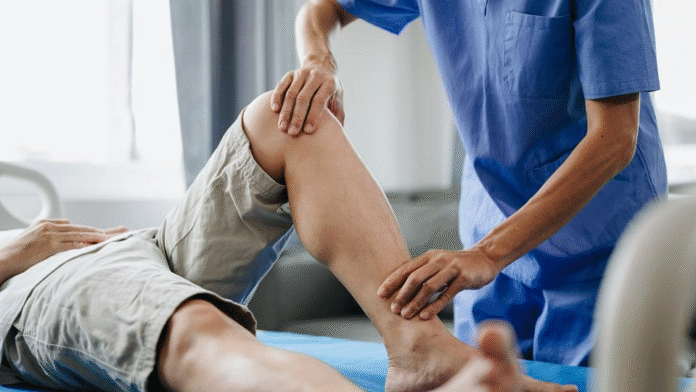


Pain is an inevitable part of life, but chronic or acute discomfort can significantly impair daily activities and overall quality of life. Whether stemming from injury, illness, or degenerative conditions, persistent pain often limits mobility and reduces comfort, hindering one’s ability to perform even routine tasks. Pain relief treatment plays a crucial role in restoring comfort, enhancing mobility, and improving the overall well-being of individuals suffering from various pain-related conditions.
Understanding Pain and Its Impact on Daily Life
Pain serves as the body’s warning signal, alerting us to potential injury or health issues. However, when pain becomes chronic or severe, it no longer serves just as a protective mechanism but turns into a debilitating condition. Chronic pain can restrict physical movement, reduce flexibility, and cause muscle weakness due to inactivity. This not only affects physical health but also contributes to emotional and psychological stress, including anxiety and depression.
The limitations caused by pain can affect work, social interactions, and even simple daily tasks such as walking, bending, or lifting objects. The goal of effective pain relief treatment is not merely to mask symptoms but to address the underlying causes and help individuals regain functional mobility and comfort in everyday life.
The Role of Pain Relief Treatments
Pain relief treatment encompasses a wide range of therapeutic approaches tailored to the type, cause, and severity of pain. These treatments may include medications, physical therapy, lifestyle modifications, interventional procedures, and complementary therapies.
Pharmacological treatments such as analgesics, anti-inflammatory drugs, and muscle relaxants are often the first step in managing pain. These medications can reduce inflammation, alleviate discomfort, and improve the ability to engage in physical activities. However, relying solely on medication may not always be sufficient or advisable due to potential side effects and tolerance issues.
Physical therapy is a cornerstone of pain relief treatment that focuses on restoring strength, flexibility, and function. Through guided exercises and manual therapy, patients can improve their range of motion and reduce stiffness, which directly contributes to enhanced mobility. Additionally, physical therapists often educate patients on posture correction and ergonomic principles to prevent pain recurrence.
In more complex cases, interventional procedures such as nerve blocks or injections may be recommended to target specific pain sources. Emerging treatments like regenerative medicine, including platelet-rich plasma (PRP) and stem cell therapy, offer promising results for certain musculoskeletal conditions by promoting tissue healing and reducing pain.
Improving Daily Comfort Through Pain Management
Effective pain relief treatment significantly improves daily comfort by reducing discomfort and allowing the body to function more naturally. When pain is managed well, individuals experience less muscle tension, improved sleep quality, and reduced fatigue. This translates into greater energy levels and a more positive outlook, which are essential for maintaining an active lifestyle.
By addressing pain early and comprehensively, patients can avoid the cycle of inactivity that often worsens symptoms. Pain relief enables gradual re-engagement in physical activities, from simple walking to more demanding exercises, which further strengthens the body and reduces the likelihood of future pain episodes.
Moreover, comprehensive pain management often includes psychological support to help individuals cope with the emotional burden of chronic pain. Mind-body approaches such as cognitive behavioral therapy, mindfulness, and relaxation techniques complement physical treatments and contribute to overall comfort and resilience.
Enhancing Mobility and Quality of Life
Mobility is a critical component of independence and quality of life. Pain relief treatments that restore or improve movement empower individuals to participate fully in personal, social, and professional activities. Improved mobility decreases the risk of complications related to sedentary lifestyles, such as obesity, cardiovascular disease, and mental health disorders.
For seniors and those with chronic conditions like arthritis, pain relief can mean the difference between dependence and self-sufficiency. Maintaining an active lifestyle through effective pain management also supports bone and joint health, balance, and coordination, reducing the risk of falls and injuries.
Ultimately, the benefits of pain relief treatment extend beyond symptom control; they enable individuals to reclaim their daily routines and engage more meaningfully with their environment and loved ones.
Conclusion
Pain relief treatment is essential not only for alleviating discomfort but also for improving daily comfort and mobility. By combining medical interventions with physical and psychological therapies, individuals suffering from pain can experience significant improvements in function, well-being, and quality of life. Early and effective management of pain empowers people to maintain independence, stay active, and enjoy greater comfort in their daily lives.