
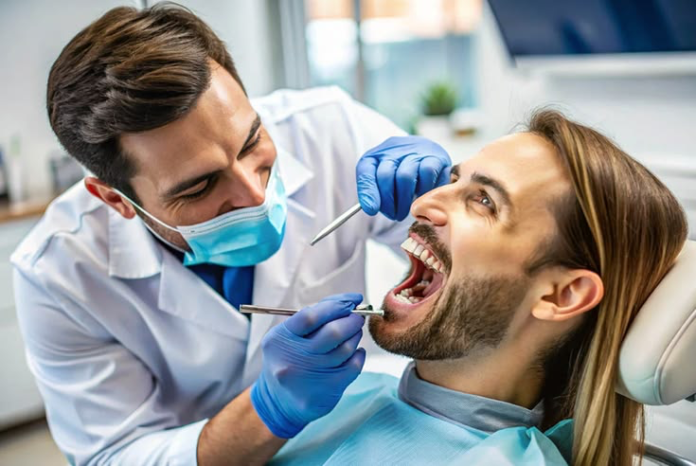


Dental emergencies rarely wait for a convenient moment. A sudden swelling, sharp pain, or spreading infection can turn a normal day into an overwhelming situation. In such moments, quick and effective care becomes essential to protect oral health and overall well-being. Many people ignore early signs, thinking the pain will settle on its own, but infections in the mouth can progress rapidly. Timely intervention helps prevent complications and reduces discomfort. Understanding urgent dental care options can make a major difference when every minute matters and professional attention is needed without delay.
Sudden Dental Swelling And Infection Signs
Swelling in the face, gums, or jaw is often the first alarming signal of a serious dental issue. It can indicate an underlying infection that is spreading beneath the surface. The area may feel warm, tender, and increasingly painful with time. In some cases, fever and difficulty chewing also appear. These symptoms should never be ignored because oral infections can escalate quickly. Early recognition is key to preventing further damage and protecting surrounding tissues from deeper complications.
Emergency Dentistry Services For Immediate Pain Relief
Emergency dentistry refers to urgent dental care provided to treat sudden and severe oral problems that cannot wait for a routine appointment. It focuses on fast pain relief, infection control, and stabilizing the affected area. Clinics offering this service prioritize cases like abscesses, intense toothaches, and facial swelling. Treatment may include drainage, antibiotics, or temporary restoration to reduce discomfort. The goal is to stop the progression of the issue and restore comfort as quickly as possible. Proper emergency dentistry support ensures patients receive timely care during critical situations.
Rapid Care For Dental Abscess And Infection Control
A dental abscess is a pocket of pus caused by bacterial infection, often forming at the root of a tooth or in the gums. It can be extremely painful and may lead to swelling that spreads to nearby areas. Rapid care is essential to prevent the infection from entering the bloodstream or affecting other parts of the body. Dentists may perform drainage procedures or prescribe medication to control bacteria. Early intervention reduces risk and promotes faster healing, ensuring the infection does not become life-threatening.
Emergency Dentistry Approach For Trauma And Broken Teeth
Accidents can lead to cracked, chipped, or completely knocked-out teeth, requiring immediate attention. The emergency dentistry approach focuses on preserving the tooth structure and preventing further damage. Quick action increases the chances of saving the natural tooth. Dentists may reposition, bond, or stabilize the affected tooth depending on the severity. In cases of complete loss, reimplantation may be attempted if the patient arrives promptly. This type of care is crucial in restoring both function and appearance after unexpected trauma.
Managing Severe Tooth Pain With Urgent Oral Care Techniques
Severe tooth pain often signals deep decay, nerve exposure, or infection inside the tooth. It can become unbearable and affect sleep, eating, and daily activities. Urgent oral care techniques focus on identifying the exact cause and providing immediate relief. Treatments may include nerve calming procedures, fillings, or temporary coverings.
Conclusion
Dental emergencies demand quick recognition and immediate response to prevent complications. Whether it is swelling, infection, trauma, or intense pain, timely professional care can make a significant difference in outcomes. Understanding when and how to seek urgent treatment helps protect both oral and overall health. With proper intervention, most dental emergencies can be managed effectively, restoring comfort and stability while reducing long-term risks associated with delayed treatment.