


Key Takeaways
- Septic systems treat household wastewater through natural processes.
- Regular maintenance is crucial in preventing system failures.
- Environmental factors can significantly impact the efficiency of septic systems.
Introduction
Residential septic systems are essential for homes that aren’t connected to municipal sewage lines. These systems keep communities safe and local ecosystems clean by processing and purifying household wastewater on-site. Homeowners who understand how a septic system functions and invest in ongoing care will avoid not only costly repairs but also environmental hazards. For residents in Central Florida, learning more about septic services Orlando FL, can be a valuable step toward responsible homeownership.
At their core, septic systems operate silently underground, protecting both personal property and the public water supply. When managed correctly, these systems can last for decades and provide reliable service. However, failing to maintain them or recognize early warning signs can quickly lead to system breakdowns, overflowing sewage, and contaminated groundwater.
Apart from ensuring safety and sanitation at home, proactive attention to septic systems helps maintain property value and prevents widespread neighborhood issues. With recent technology improvements and increasing awareness of climate change, the way septic systems are evaluated and maintained has evolved, ushering in new approaches that safeguard health and the environment.
The basics of how septic equipment works, the warning signs of failure, and best practices for modern maintenance are crucial topics for all homeowners who depend on these vital systems.
Components of a Septic System
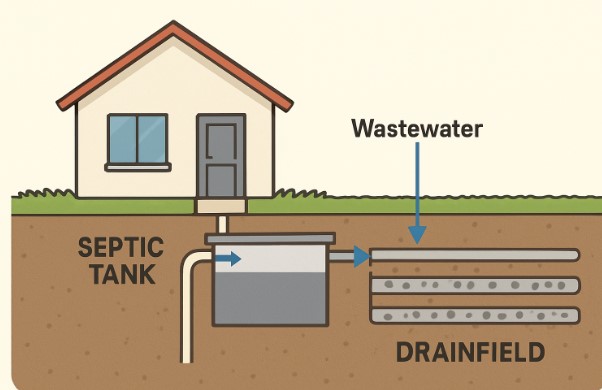
A residential septic system is generally composed of two significant elements that work together to treat and safely return household wastewater to the natural environment:
- Septic Tank: Positioned underground, the tank is both watertight and robust, designed to hold the inflow of all household wastewater temporarily. Its principal purpose is separation: solids sink to the bottom and create sludge, while oils, fats, and greases rise as scum. Beneficial bacteria inside the tank initiate the breakdown of organic solids, helping to reduce the volume needing processing.
- Drainfield (Leach Field): Effluent—partially treated liquid from the septic tank—flows out into a network of perforated pipes set in trenches filled with gravel. As it disperses across this field, soil microbes continue to filter and break down contaminants before water merges with groundwater supplies.
How Septic Systems Process Wastewater
The journey of wastewater begins the moment water leaves your sinks, showers, toilets, and appliances. In a well-maintained system, each component plays a precise role in this step-by-step process:
- Household wastewater drains rapidly into the septic tank, starting the separation process.
- Solids sink into a dense sludge, while grease and lighter particles rise to the surface as scum. Only the partially clarified liquid between these layers progresses to the next stage.
- This effluent moves through an outlet to the drainfield, a crucial area for environmental purification.
- Within the drainfield, the soil acts as a natural biological filter. Microbes and soil particles trap, digest, and neutralize many pollutants and pathogens before the cleaned water seeps into the groundwater table.
For a more in-depth view of the biological and filtration actions taking place, visit the EPA’s guide to onsite wastewater treatment.
Importance of Regular Maintenance
The efficiency, longevity, and safety of a septic system all hinge on routine maintenance. According to the U.S. Environmental Protection Agency, neglect is the most common reason for system failure, with up to 10% of systems malfunctioning each year. Homeowners should engage experienced professionals to inspect and pump the septic tank every three to five years, depending on household size and usage. Regular care not only reduces the risk of backups and contaminated water sources but also results in significant long-term savings. For helpful regional recommendations, consult the Washington State Department of Ecology’s septic system tips.
Environmental Considerations
An effective septic system is directly influenced by its environment. Factors such as soil composition, groundwater depth, rainfall patterns, and nearby water bodies all affect functionality. Notably, rising sea levels and heavier storm events—consequences of climate change—are beginning to compromise drainfields by raising water tables and saturating soils, making it harder for systems to function as designed. In coastal regions, these impacts can lead to sewage surfacing and broader ecological trouble. Addressing these risks may involve reconfiguring or relocating systems or incorporating advanced technology to enhance treatment outcomes. More information on these climate-linked threats is available from the Brookings Institution.
Signs of Septic System Failure
Early intervention is essential in preventing minor septic problems from escalating. Watch closely for these key warning signs:
- Fixtures like sinks and toilets begin draining slowly or make unusual gurgling noises.
- Foul or persistent odors near the septic tank or drainfield, especially after rains or heavy usage.
- Unusual pools of standing water or consistently wet ground above or around the drainfield area.
- Lush, vibrantly green patches of grass over the drainfield—even during periods of drought—can indicate excess nutrient seepage caused by leaks.
Although some of these symptoms may seem minor, ignoring them can lead to property damage, hazardous living conditions, and costly repairs.
Advancements in Septic System Technology
Innovation is reshaping the world of on-site wastewater management. Newer residential systems incorporate advanced features, such as secondary treatment units that further reduce nitrogen, phosphorus, and pathogens before releasing effluent to the drain field. Monitoring sensors, remote alarms, and digital inspection logs are helping officials and homeowners stay ahead of trouble before it starts. A key example is Tennessee’s streamlined, data-driven permitting and inspection regime, which makes compliance simpler while protecting water quality. Read about these practical improvements in this ESRI feature.
Conclusion
A solid grasp of residential septic system operations—and a commitment to maintaining them—benefits both individual property owners and entire communities. By following maintenance best practices, monitoring for early warning signs, staying informed of both environmental impacts and technological advancements, homeowners can ensure their systems function reliably for years to come, while protecting both public health and the broader ecosystem.