


Key Takeaways
- Small oil tank problems can turn into heating interruptions, costly leaks, and cleanup work.
- A seasonal check should include the tank, fuel lines, fittings, supports, vent, and nearby surfaces.
- Underground tanks require added attention because damage may remain hidden.
- Delivery receipts, inspection reports, and tank paperwork can be important for insurance and real estate decisions.
- Fuel odors, corrosion, staining, or unexplained oil use are reasons to contact a qualified professional.
Cold weather puts steady demand on an oil-fired heating system. Before temperatures drop, homeowners can take a few practical steps to spot warning signs early, protect their fuel supply, and avoid discovering a problem during a freezing night.
For property owners in the Hudson Valley, Tank Masters Environmental Inc. offers oil tank services New Hampton, NY as a practical resource for Orange County and surrounding New York communities. Its Orange County service information covers oil tank removal, tank-related property concerns, installation support, and soil or groundwater remediation, making it relevant when a homeowner needs experienced help evaluating an active, abandoned, or potentially leaking tank.
Why Oil Tank Checks Matter Before Winter
A small defect can become a major inconvenience once the heating system is running every day. A corroded fitting, weakened fuel line, blocked vent, or unstable support can contribute to fuel delivery problems or a heating shutdown. Leaks also matter beyond the equipment room. Heating oil can affect indoor air, soil, groundwater, and nearby structures if it escapes and is not addressed promptly.
A visual check is useful, but it cannot confirm the condition inside a tank or beneath the ground. Homeowners with underground systems can review the New York State homeowner guide for underground heating oil tanks for general information about aging tanks, warning signs, and response considerations.
Start With a Simple Visual Check
Do not open fittings, disconnect lines, or attempt a repair yourself. Instead, look carefully around the equipment and note changes from the prior season. A flashlight and a phone for photos are usually enough.
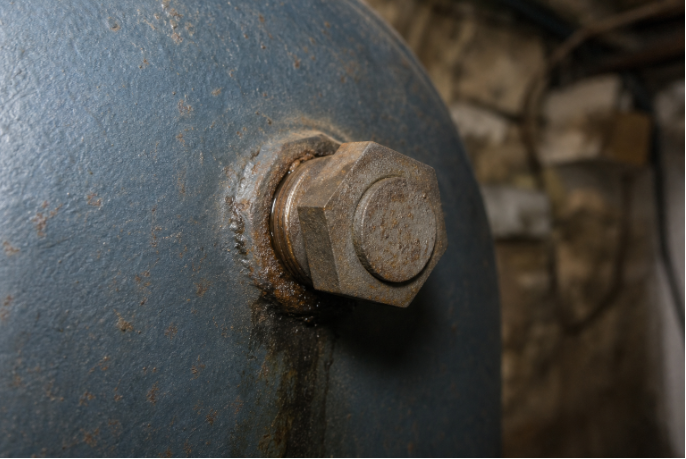
- Rust, pitting, bubbling paint, damp areas, or distortion on an aboveground tank.
- Dark stains below seams, valves, filters, or fuel lines.
- Loose, bent, uneven, or damaged legs and tank supports.
- Cracked, sagging, kinked, or visibly worn lines leading to heating equipment.
- Vent openings blocked by leaves, insect nests, snow, ice, or other debris.
- A fuel odor in the basement, crawl space, garage, furnace room, or outdoors near the tank.
Check for Changes in Fuel Use
A sudden rise in oil use deserves attention, even if there is no visible puddle. Harsh weather, poor insulation, or furnace performance can explain higher consumption, but a leak is another possibility. Compare recent delivery receipts with the same months in prior years, while accounting for major weather differences or changes in household occupancy.
For example, a homeowner may notice that deliveries are arriving weeks earlier than usual but see no leak around the basement tank. That pattern does not prove a tank failure, yet it is worth discussing with a heating professional before assuming it is only a cold season.
Know the Difference Between Aboveground and Underground Tanks
Aboveground Tanks
Aboveground tanks are easier to inspect because the shell, supports, fittings, and floor area are visible. Common concerns include exterior corrosion, weak legs, damaged valves, and water collecting inside the tank. Keep the area accessible, dry, and free of stored items that could hide damage or strike fuel lines.
Underground Tanks
Underground tanks can leak without obvious indoor signs. Clues may include unexplained oil loss, stained or unusually odorous soil, a sheen near water, or records showing former oil heat with no closure documentation. Inspection methods vary by tank type, property layout, local requirements, and site history. A specialized assessment may also be needed during a home purchase or sale.
What to Do If a Leak Is Suspected
- Keep people and pets away from the affected area.
- Do not use flames, switches, tools, or electrical equipment near strong fuel odors.
- Contact the fuel supplier, heating contractor, or qualified environmental professional.
- Report a spill to the appropriate state or local agency when required.
- Take photos and save delivery records, inspection findings, and cleanup paperwork.
- Never bury contaminated soil or wash oil into a drain, driveway, storm inlet, or waterway.
The Pennsylvania DEP guidance for residential heating oil tank owners also provides useful general reminders about leak indicators, routine care, and protecting private water supplies.
When a Professional Inspection Makes Sense
Call for professional guidance when there is visible corrosion, staining, a fuel odor, damaged piping, unstable supports, or unexplained fuel loss. Older tanks deserve particular attention, even when they seem to be working normally. A qualified professional can evaluate the tank and lines, identify possible site risks, and recommend appropriate next steps. Do not remove, abandon, fill, or alter a tank without site-specific guidance.
Records Homeowners Should Keep
- Tank installation date, manufacturer, capacity, and model information.
- Fuel delivery receipts and notes about unusual consumption.
- Inspection reports, maintenance records, and repair invoices.
- Current photos of the tank, piping, supports, and surrounding area.
- Permits, closure or removal documents, remediation records, and insurance correspondence.
How Oil Tank Issues Can Affect a Home Sale
An unknown, aging, or abandoned tank can delay a transaction because buyers, lenders, and insurers may want more information. Early review gives both sides time to understand the condition and discuss options.
Seller Checklist
- Locate delivery, installation, removal, and closure records.
- Document known repairs and arrange an inspection if concerns exist.
- Disclose known tank history accurately and retain cleanup paperwork.
Buyer Checklist
- Ask whether the home has current or former oil heat.
- Request tank records and ask about any buried or abandoned equipment.
- Consider a specialized inspection before finalizing an older-home purchase.
Common Questions Homeowners Ask
How often should an oil tank be checked?
Perform a visual check before each heating season. The right professional inspection schedule depends on the tank’s age, condition, location, fuel use, and local requirements.
Can a tank look fine and still leak?
Yes. Corrosion can develop inside a tank or in hidden areas, and underground leaks may remain unnoticed for a long time.
Who pays for cleanup after a leak?
Responsibility and insurance coverage depend on the property, cause, contracts, policy language, and applicable rules. Review your policy and seek prompt professional guidance after a spill.
Should an old underground tank be removed?
Removal or closure depends on its condition, location, environmental risk, and local requirements. A site-specific opinion is more reliable than choosing solely based on price.
Final Seasonal Checklist
- Inspect the tank, lines, connections, and supports.
- Look for odors, stains, rust, and unusual fuel use.
- Clear snow and debris from vents and access areas.
- Organize delivery, inspection, and tank-history records.
- Contact a qualified professional when anything appears unusual.
A short check before the next cold snap can prevent a long winter headache. Notice warning signs early, keep clear records, and act promptly when a tank or fuel system does not seem right.